
Precision Harvesting: How AI and Machine Vision are Revolutionizing Tea Picking
9/28/20255 min read
Introduction to Precision Harvesting in Agriculture
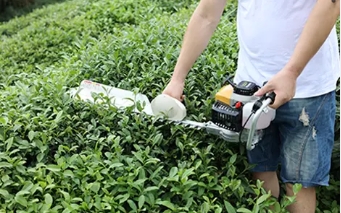
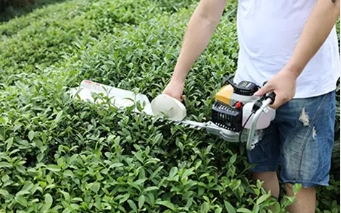
Precision harvesting represents a transformative approach to agricultural practices, particularly in sectors like tea production where quality and efficiency have paramount significance. Traditionally, tea picking has relied on manual labor, which, while capable of ensuring a certain level of quality, also presents various limitations. These include labor shortages, inconsistent picking proficiency, and substantial production costs. As the demand for tea continues to rise globally, the agriculture sector is increasingly seeking innovative solutions to enhance productivity and sustainability.
The limitations of traditional methods highlight the necessity for innovation in tea harvesting. With the challenges posed by labor availability and rising operational costs, there is a pressing need to explore alternative harvesting techniques that not only improve efficiency but also uphold the quality standards expected by consumers. Traditional practices may vary from region to region; however, they often share common drawbacks, including time-consuming processes and the risk of uneven quality in the harvested tea leaves.
In response to these challenges, precision harvesting has emerged as a vital concept in modern agriculture, leveraging advancements in technology such as artificial intelligence (AI) and machine vision. These technologies offer promising solutions by automating the harvesting process, thereby enhancing the efficiency of tea picking while minimizing labor dependency. AI algorithms can be programmed to identify the optimal leaves for harvesting based on ripeness, while machine vision systems ensure accuracy in selecting only the highest quality produce. The integration of these technologies not only aims to streamline operations but also addresses the growing demand for sustainable agricultural practices, aligning with the global push towards environmentally friendly farming methods.
The relevance of precision harvesting continues to expand, serving as a cornerstone for future advancements in agricultural practices. By adopting these innovative solutions, the tea industry stands to benefit significantly in terms of yield and quality, setting a benchmark for other agricultural sectors to follow.
The Role of AI in Optimizing Tea Picking
The integration of artificial intelligence (AI) into the tea harvesting process has marked a significant advancement in agricultural practices, particularly in optimizing yield and efficiency. AI algorithms are designed to analyze large datasets encompassing various factors such as weather conditions, soil health, and plant growth stages. This analysis enables tea growers to make informed decisions about the optimal time for harvesting, thereby enhancing the overall productivity of tea plantations.
One of the crucial applications of AI in tea picking is its capability to improve yield predictions. By processing historical data and real-time inputs, AI models can forecast the expected quantity of tea leaves, allowing farmers to manage their resources more effectively. This predictive analytics not only aids in planning harvesting schedules but also reduces wastage by aligning labor deployment with actual harvesting requirements.
Furthermore, AI plays a vital role in assessing leaf quality. Machine vision systems, integrated with AI algorithms, have the ability to scan leaves in real-time, evaluating their size, color, and overall health. This capability is essential in ensuring that only the highest quality leaves are selected for harvest, thereby enhancing the quality of the final product. Improved quality assessment directly correlates with better market prices and consumer satisfaction.
AI's influence extends to optimizing the entire supply chain in tea production. Automated systems that leverage AI can streamline various processes, from harvesting to packaging, ensuring that the tea reaches consumers with minimal delay. This automation not only increases efficiency but also enhances labor practices, reducing the physical strain on workers while simultaneously increasing their productivity. As AI continues to evolve, its impact on the tea industry will likely lead to even more innovative solutions for harvesting and production, supporting sustainable practices and improving overall outcomes.
Machine Vision Technology: Enhancing Harvesting Efficiency
Machine vision technology has emerged as a critical element in enhancing the efficiency of tea harvesting processes. By integrating advanced cameras and sensors with artificial intelligence (AI) systems, machine vision allows for the accurate identification of ripe tea leaves. This integration enables farmers to leverage real-time data, significantly improving the overall accuracy of the harvesting process while concurrently reducing the time required for collection.
The core components of a machine vision system typically include high-resolution cameras, image processing software, and various sensors. These cameras capture images of the tea plants, while the sensors collect additional data, such as environmental conditions and leaf characteristics. Once this data is gathered, AI algorithms analyze the images and sensor input to assess the ripeness of the leaves. This capability to discern subtle differences in color, texture, and shape allows for a precise selection, ensuring that only the optimal leaves are harvested.
Numerous case studies underscore the successful implementation of machine vision technology in tea plantations. For instance, several estates have reported a remarkable increase in harvesting efficiency, with reports indicating up to a 30% reduction in labor costs due to less reliance on manual picking. Additionally, these systems have been credited with improving the quality of tea by ensuring that only the best leaves are selected, thus directly impacting the final product's flavor and quality.
Moreover, the ability of machine vision to collect and analyze vast amounts of data in real time offers further advantages, such as enabling farm managers to make informed decisions regarding pest control, irrigation, and the optimal harvesting period. The positive outcomes derived from this technology are clear; as machine vision continues to evolve, it represents a transformative force within the tea harvesting sector, paving the way for smarter, more efficient agricultural practices.
Future Trends and Challenges in Precision Tea Harvesting
The future of precision harvesting in the tea industry is poised for significant transformation, primarily driven by advancements in robotics and machine learning. As the demand for efficiency and quality increases, tea plantations are increasingly turning to innovative technologies that promise to enhance the tea picking process. Autonomous robots equipped with machine vision systems are now capable of identifying ripe tea leaves with precision, reducing damage to the plants and increasing yield. These robots utilize algorithmic learning to adapt and improve their performance over time, which can potentially revolutionize traditional practices in tea picking.
However, the integration of these technologies into existing practices presents several challenges. One significant hurdle is the initial investment costs associated with acquiring advanced machinery and training personnel to operate them effectively. Many tea producers, particularly small-scale farmers, may find it challenging to allocate sufficient resources for such investments, creating a disparity in access to these emerging technologies. Additionally, there is a pressing need for worker training to ensure that employees can effectively collaborate with and maintain robotic systems.
Moreover, the tea industry must also address broader implications concerning sustainable production methods. As climate change continues to pose threats to agricultural practices, the push towards precision harvesting technologies can potentially contribute to more sustainable tea cultivation. Increased efficiency in harvesting can lead to a reduction in waste and better management of resources, aligning with global sustainability goals. Adaptation to climate variations will necessitate innovative solutions and resilience in practices, making the embrace of precision technologies imperative.
In conclusion, while the prospects for precision tea harvesting driven by AI and machine vision are promising, successfully navigating the accompanying challenges will require concerted efforts from industry stakeholders, policymakers, and technology developers alike.