
Precision Picking: Minimizing Plant Damage and Maximizing Regrowth with the Right Machine
11/29/20254 min read

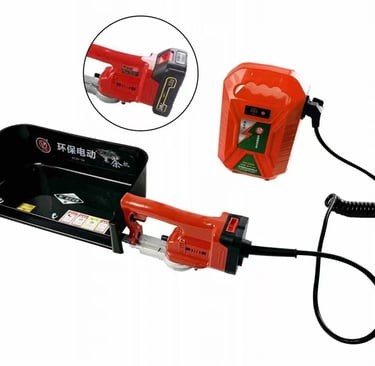
Understanding Precision Picking
Precision picking is an innovative agricultural technique that focuses on the careful harvesting of crops with minimal impact on the surrounding plants and soil. Unlike traditional harvesting methods that often involve mechanical processes capable of causing significant damage to both the crop and its root systems, precision picking employs advanced technology to ensure a more meticulous approach. This method recognizes the importance of maintaining plant health and maximizing yield through careful selection and removal of ripe produce.
The significance of precision picking is rooted in its ability to enhance overall agricultural practices. By integrating automated machinery and sensor technologies, farmers can significantly improve the accuracy of their harvesting efforts. For instance, these advanced machines are designed to recognize the optimal conditions for harvesting specific crops and to target only fully matured fruits or vegetables. This precision reduces the risk of damaging immature plants, promoting regrowth and eventually leading to higher yields in subsequent harvests.
Moreover, precision picking can reduce labor costs and increase efficiency within agricultural operations. Utilizing automated devices not only accelerates the harvesting process but also minimizes human error, ensuring that each plant receives the attention it requires. Additionally, the incorporation of sensors allows for real-time data collection, enabling farmers to make informed decisions about their crops. This technological integration ensures that each harvesting session is conducted with the utmost care, fostering an environment where plants can thrive even after the harvest.
In essence, precision picking stands as a testament to the evolution of agricultural methods, emphasizing the need for sustainable practices that prioritize plant health. By shifting away from traditional methods that can often be harmful, this approach supports eco-friendly farming while simultaneously boosting productivity and profitability.
The Impact of Machine Selection on Crop Health
Selecting the appropriate machinery for precision picking is vital in ensuring the health and longevity of crops. The right equipment not only facilitates efficient harvesting but also minimizes damage to the plants, leading to improved regrowth rates. One crucial feature to consider is the ability to adjust settings to accommodate various plant types. Different crops have unique growth structures and sensitivities, so machines equipped with customizable settings can significantly enhance the harvesting process. This flexibility allows for adjustments in speed, pressure, and the angle of operation, which helps protect delicate plants during the harvesting phase.
Another important consideration is the use of soft-touch harvesting tools. Traditional machinery can often be too abrasive, causing bruising or tearing of crops. However, modern equipment designed with gentle-touch technology employs soft brushes or silicone materials that cradle the produce instead of exerting unnecessary force. Such innovations minimize physical harm to fruits and vegetables and foster an environment conducive to faster regrowth, enabling farmers to maintain a consistent supply of high-quality products.
Lightweight machinery is also advantageous in the context of crop health. Heavier machines can compact the soil and disrupt the root systems of nearby plants, potentially leading to decreased yield and health. Conversely, lightweight equipment minimizes soil disturbance, allowing crops to absorb moisture and nutrients more effectively. This efficiency is essential for sustainable agriculture practices and maximizing plant health.
Case studies demonstrate the positive impact of strategic machine selection. For instance, a fruit farm that adopted precision picking technology noted a 30% increase in regrowth rates after transitioning to equipment designed with adjustable settings and gentle-touch tools. Such evidence emphasizes the importance of investing in the right machinery. In conclusion, the selection of harvesting equipment plays a crucial role in crop health, promoting sustainability and productivity in modern agriculture.
Techniques to Minimize Plant Damage During Harvest
To effectively minimize plant damage during the precision picking process, several techniques can be employed that focus on timing, operator training, and advanced technology utilization. One of the most crucial factors influencing plant health and regrowth is the optimal timing for harvesting. It is essential to collect crops when they are at their peak ripeness, ensuring not only maximum yield but also reduced stress on the plants. Harvesting at the right time allows the plant to recover more rapidly after the picking process, leading to healthier regrowth.
In addition to timing, the training of operators plays a significant role in reducing plant damage. Well-trained workers are better equipped to handle crops delicately, thereby reducing the risk of bruising or breaking delicate branches during the harvest. Understanding the specifics of each plant species, including the right techniques for picking, can substantially mitigate damage. Training programs that include hands-on experience and expert guidance can ensure that operators maintain the highest standards of care during harvesting.
The integration of technology into harvesting processes can also significantly contribute to minimizing plant damage. Drones and robotic systems have been developed to assist with precision picking, allowing for a more controlled and gentle approach. These machines can be programmed to identify optimal harvesting locations while reducing physical contact with the plants. By employing such technology, farmers can effectively reduce labor costs and increase efficiency while also maintaining the health of their crops. Furthermore, these advancements can help monitor crop conditions and regrowth, offering an additional layer of protection against potential damage.
Incorporating these techniques into the harvesting process can lead to a more efficient operation that respects the integrity of the plants, thus ensuring that both immediate and long-term agricultural goals are met.
Maximizing Regrowth and Future Yields
Precision picking plays a critical role in not only minimizing damage during harvest but also in fostering plant regrowth and enhancing future yields. This technique eliminates unnecessary stress on plants, allowing them to recover more effectively after being harvested. By reducing the overall physical harm inflicted on the plant, precision picking aligns with biological principles that focus on plant resilience and recovery. When harvesting is done thoughtfully, plants can redirect their energy towards repairing tissues, sprouting new growth, and subsequently producing greater yields in future cycles.
A major contributor to the successful regrowth of plants post-harvest is soil health. Healthy soil contains essential nutrients and a balanced microbial ecosystem that supports plant recovery. Maintaining soil organic matter, utilizing cover crops, and implementing crop rotation strategies are critical practices that enhance soil fertility and promote robust regrowth after harvest. By understanding the relationship between soil conditions and plant health, farmers can implement measures that nourish their crops, leading to improved outputs in subsequent growing seasons.
Strategies for ensuring optimal growing conditions following harvest include monitoring moisture levels, managing pest populations, and applying organic fertilizers judiciously. This proactive approach encourages plants to recover swiftly and thrive in their environment. Additionally, the introduction of precision agriculture technologies allows farmers to track key performance indicators that facilitate the analysis of regrowth trends. Data collection and analysis can inform decisions about the timing and methods of future harvesting. With precise information at hand, agricultural stakeholders can enhance sustainability, ultimately supporting not only immediate harvests but the long-term viability of their farming practices.